


Each week this September, we're handing our platform to young people from the Contribution Project to tell their own stories, in their own words. First up: Nysha, who turned $400 into mental health care kits for kids who need them most.
Hi! I’m Nysha from Los Angeles. I’m a youth mental health advocate who cares deeply about connecting science to real-life care. I’ve always believed that understanding how the brain works can help us create more compassionate and effective ways to support each other.
Outside of advocacy, I love painting, dancing, and reading. Creative outlets have been a big part of how I manage stress, and they’ve helped me stay grounded. I’m also passionate about education and hope to find a path where I can combine science, advocacy, and connection with others. I’m especially interested in neuroscience and public health.
When I first came up with my project idea, I had no idea where to start. The Contribution Project gave me the support I needed and helped me feel confident enough to take that first step. I’m excited to share my journey in case it helps another teen see that you don’t need to have it all figured out. You just have to care and be willing to begin.
Tell Us About Your Contribution Project
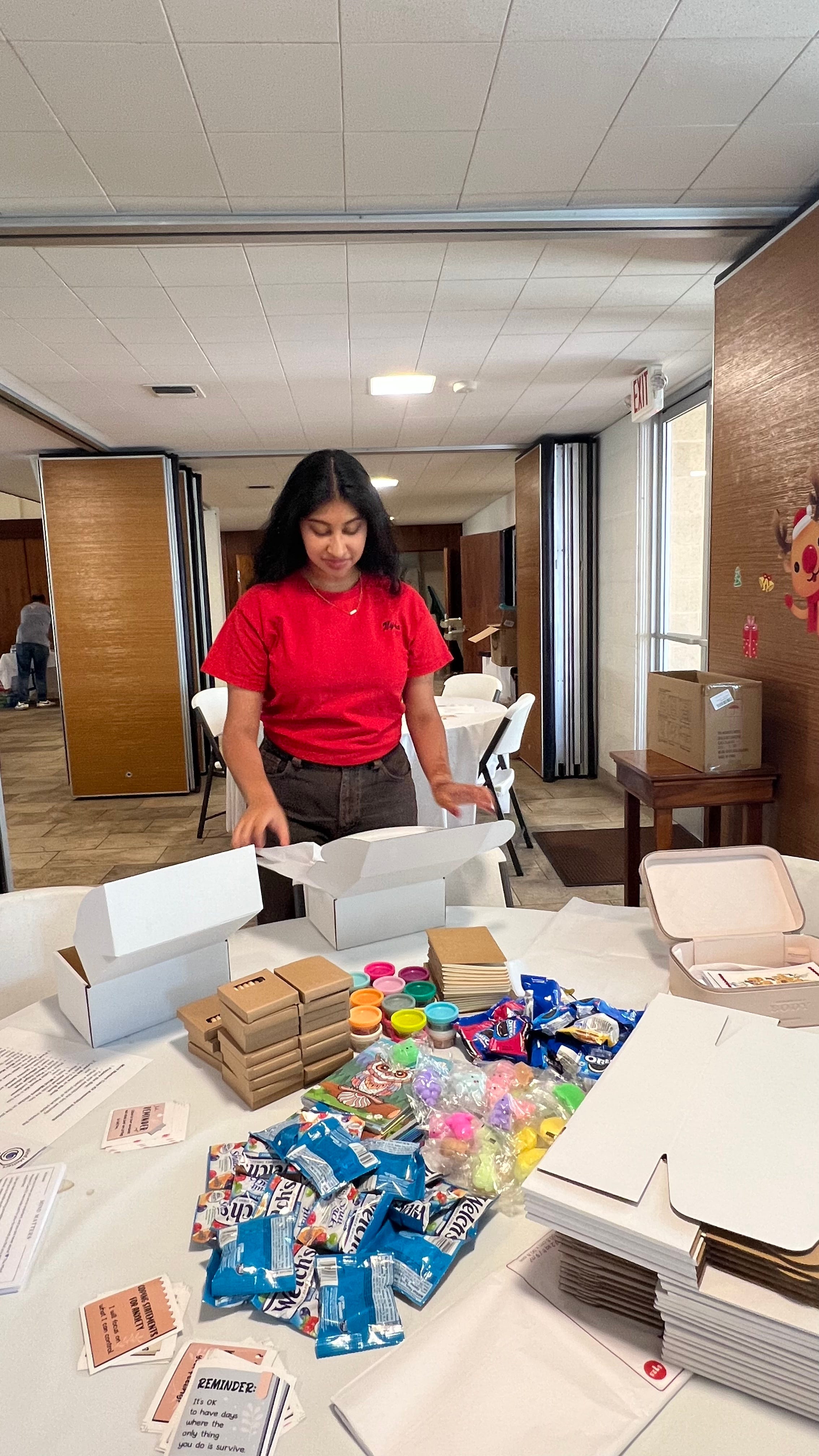
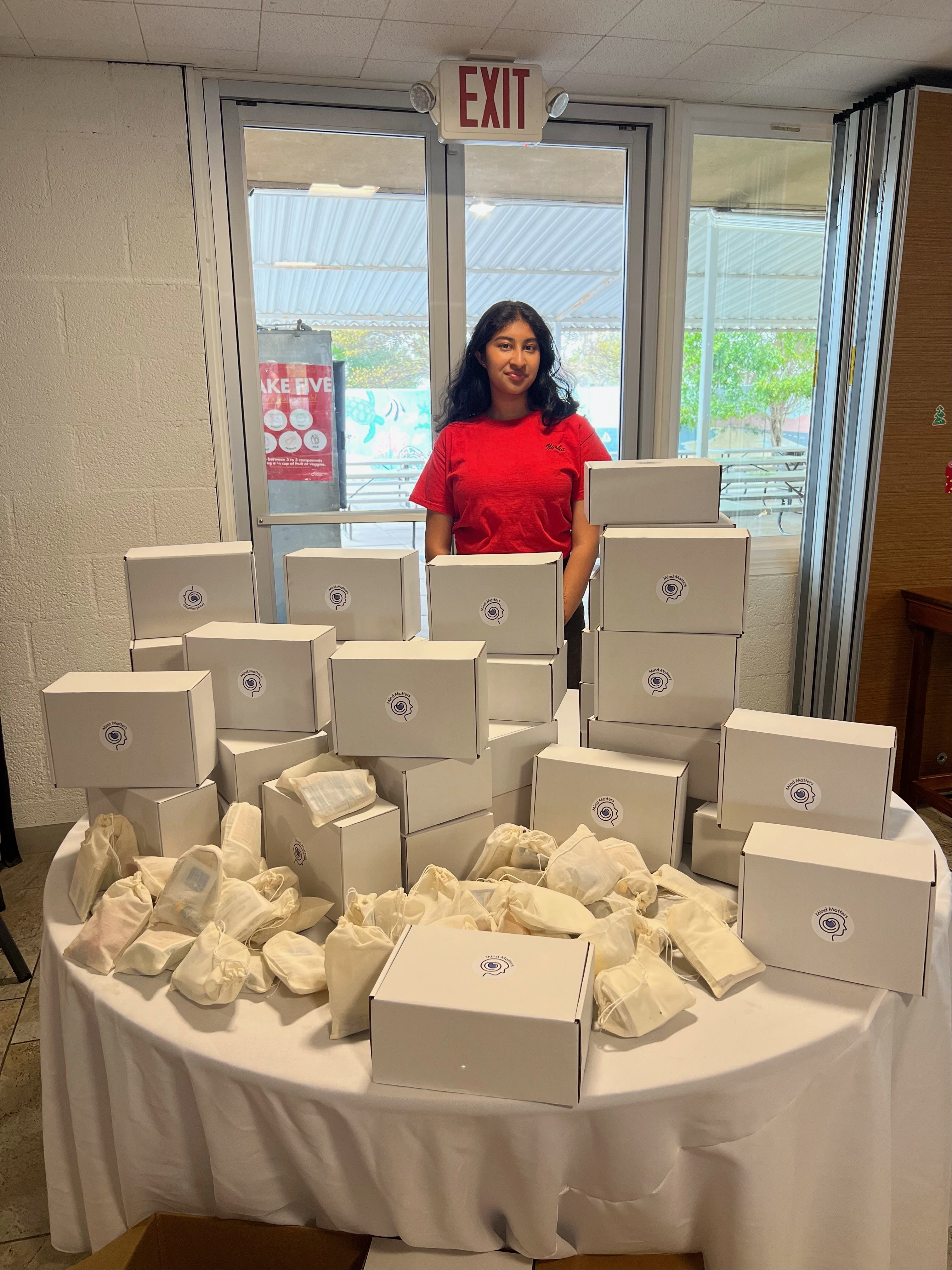
My project focused on creating and delivering mental health care kits to elementary and middle school students in under-resourced schools. The kits included sensory toys, calming tools, helpful resources, and a handwritten letter from a high school student. I wanted each student to feel seen and supported, even if just for a moment.
The idea came from my time volunteering with a mental health support app for teens. I saw how many young people were struggling quietly and realized that maybe we could make a difference by starting these conversations earlier. What if younger kids had the tools and language to talk about their emotions before reaching middle or high school?
The project aimed to help normalize mental health conversations early on, build emotional resilience, and show kids that someone older cares about them.
How Did You Make It Happen?
Early on, I reached out to a school counselor who told me how difficult it was to support her students with limited mental health resources. I worked with her directly to design the kits and choose items that would be most useful for her high school students. She also connected me to a nearby elementary school in need. That way, I could help both her high schoolers and deliver kits to younger kids too. That one conversation showed me how meaningful this project could be and gave me the momentum to keep going.
I spent time researching items that would be helpful and age-appropriate, like stress balls, fidget toys, breathing cards, stickers, and coloring sheets. Each kit also included a handwritten note from a high school student to make it feel more personal.
With support from friends, I assembled the kits and reached out to more schools, clubs, and counselors. As more volunteers got involved, the project grew into a team effort that reached students across different campuses. What started small turned into something much bigger than I expected.
What Challenges Did You Face?
One of the hardest parts was writing enough letters. I didn’t want to use printed templates because I wanted every letter to feel personal and sincere. But I quickly realized I couldn’t rely only on my school. There just weren’t enough volunteers.
So I reached out to other schools, mental health clubs, and community service groups. I even visited some club meetings to share my story and invite others to help. It was scary to put myself out there, but people were incredibly supportive once they heard what the project was about.
Another challenge was keeping everything organized. Between school, managing supplies, budgeting, and deliveries, it was a lot to juggle. I made spreadsheets, set deadlines, and eventually brought in others to help me stay on track.
What Did You Learn About Yourself?
This project taught me that leadership is not about having all the answers. It’s about listening, staying flexible, and showing up even when things are hard.
I also discovered how much I value connection. Whether it was writing letters, working with school staff, or seeing kids smile when they opened their kits, every moment reminded me that small actions can make a big difference.
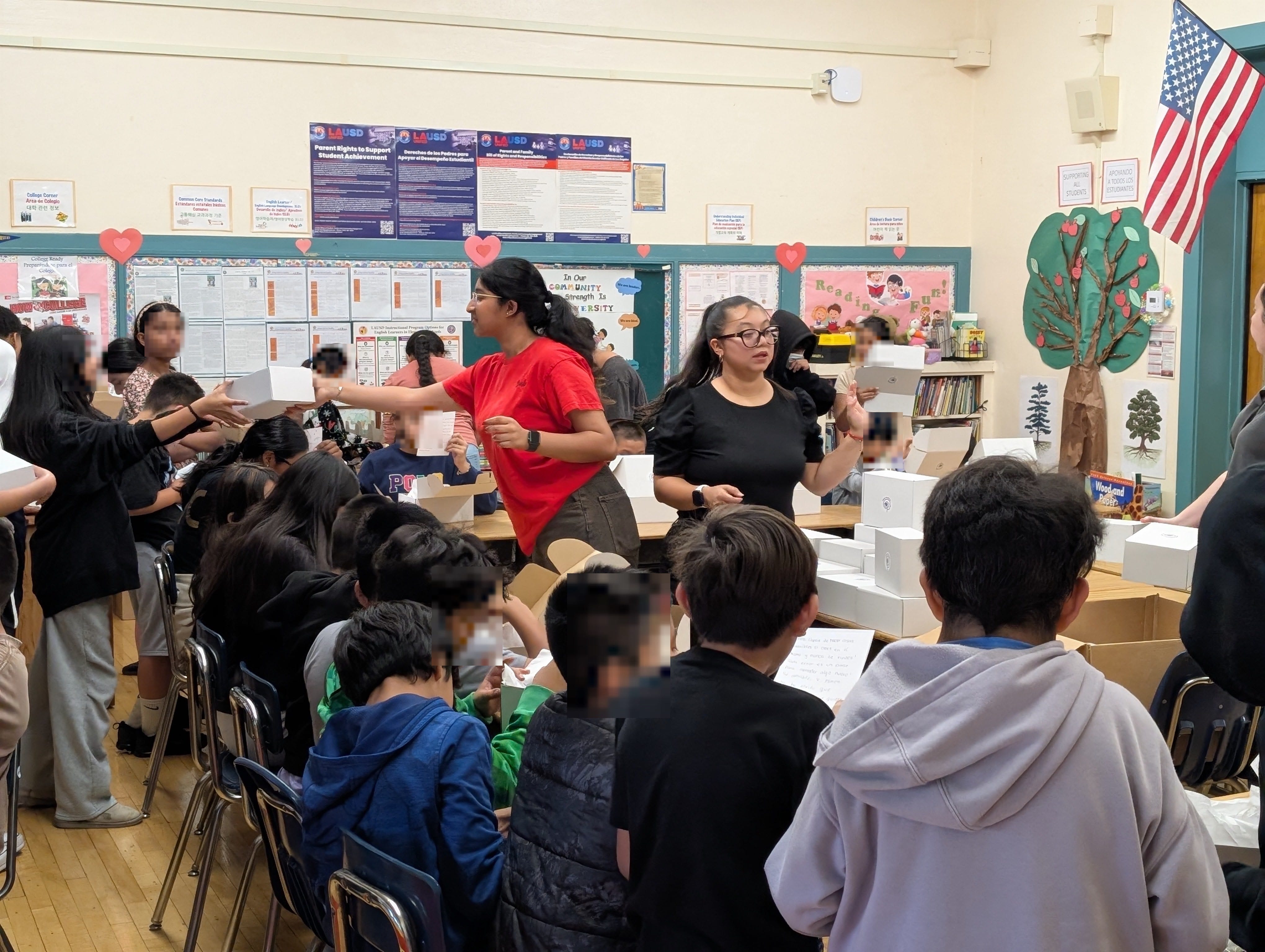
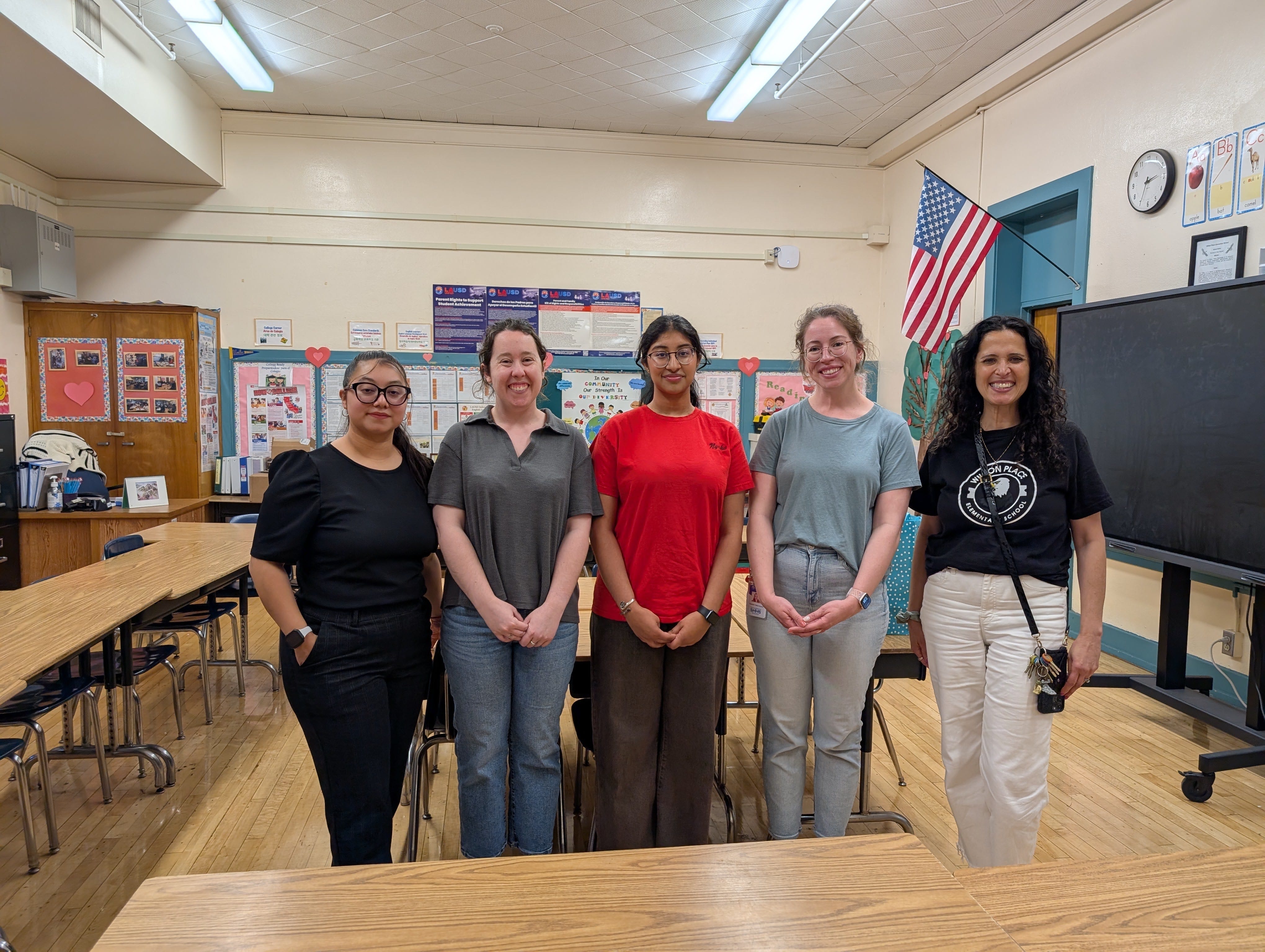
One moment I’ll never forget was visiting an elementary school and delivering kits in person. The kids were so excited, and their teachers later told me the kits started meaningful conversations about mental health in their classrooms. I also received recognition from my school district, which gave me the chance to speak to educators about better supporting gifted students emotionally. That meant a lot to me.
Your Advice for Other Young People
My biggest piece of advice is to just start. You don’t need a perfect plan. If you care about something and want to help, take one step and trust that you’ll figure things out as you go.
Also, don’t underestimate how powerful it is to connect with others. Reach out to schools, clubs, and organizations. There are people out there who care about the same things you do. Ask questions, be curious, and let your passion show.
And most importantly, remember why you started. Sometimes the impact feels small, but even helping one person feel seen is worth it.
What’s Next for You?
I’m continuing my mental health advocacy through Mind Matters, a youth-led initiative I started to promote awareness and education. I run a blog where teens can share their stories and experiences, and I host a podcast that features interviews with mental health professionals, researchers, and fellow advocates. It’s been so exciting to build this platform and give young people a voice.
I’m also looking for more ways to fund and expand my care kit program so I can reach more schools and communities, especially those with fewer resources.
Looking ahead, one of my biggest goals is to help build a world that leads with kindness. I want to promote emotional education from a young age and ensure that mental health support is treated with the same importance as physical health. Whether it’s through research, community service, or policy work, I’m excited to keep finding new ways to contribute.
Yes to a world that leads with kindness!!
Reading this was extremely happy making, a reminder that there are lots of good people doing good things. And importantly moving things forward without having everything figured out. (If not embracing the discomfort at least tolerating it!)
Well done, Nysha! 🥳💕👍